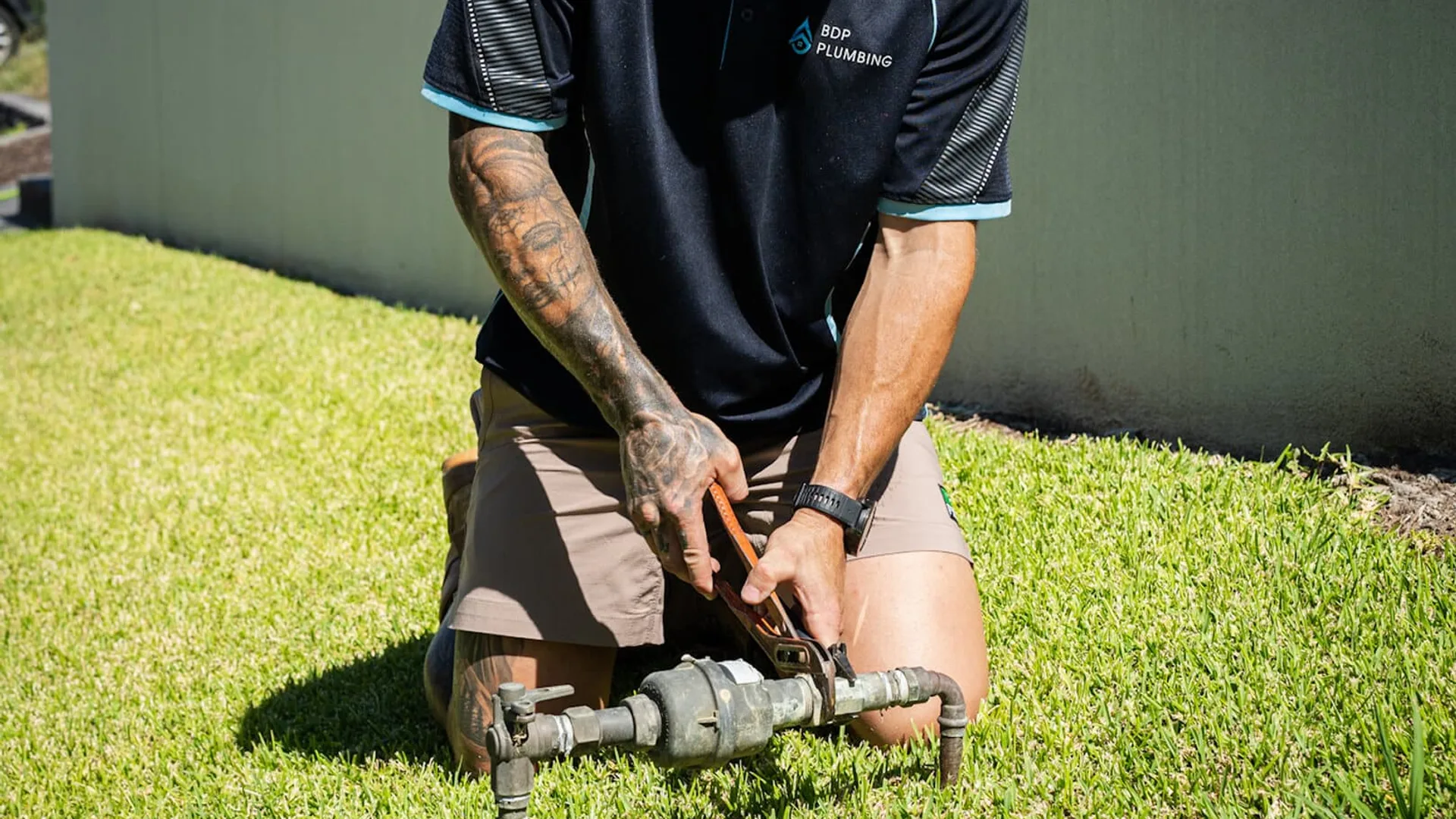
General Plumbing in Fletcher
Leak Detection Fletcher
Plumbers Fletcher traces hidden water leaks across the suburb and nearby suburbs like Maryland and Wallsend, with a $0 call out and a written quote before any work starts. Fletcher homes get found and fixed by licensed local plumbers, from a weeping flexi-hose in the sink cupboard to pressure loss nobody can explain.
Signs a leak is hiding somewhere
Some faults announce themselves. The rest whisper first, and the whispers are worth answering.
- A water bill creeping upward although nothing in the house has changed
- A meter that ticks over while every tap and appliance sits idle
- Staining, damp patches or peeling paint with no spill to explain them
- The sound of running water when nothing is switched on
- Mould in a room that should stay dry
- One warm strip of floor where hot water seeps beneath a slab
Any one of these earns a look. Two together usually mean the leak has been running a while.
Why this suburb's homes spring leaks
The plumbing here is young by Hunter standards, and that changes what leaks.
Census figures put 91.8 per cent of homes as separate houses, nearly all estate-built from the late 1990s onward, so the pipework runs decades newer than the terrace suburbs nearer the coast. Newer does not mean leak-proof. It means different.
Three things drive most hidden leaks:
Volume-builder fittings
Reactive clay ground
Sloping blocks
Add Hunter summer storm bursts soaking that clay, and a buried run that has flexed quietly for years shows its hand.
Where leaks hide on a local property
Four spots come up again and again on calls around the estate streets.
Under the slab and inside cavities
Estate homes here mostly sit on concrete slabs, so a pressurised line weeping beneath the floor usually announces itself as a warm patch or a bill that climbs for no reason.
Builder-grade hoses and joints
The braided flexi-hoses fitted during the estate build now sit well past their warranty years, and a slow weep at one connection inside a vanity is the usual first sign.
Buried runs in reactive clay
Reactive clay subsoil swells hard after a Hunter storm burst and shrinks again in dry spells, and that constant movement works joints loose on buried pipework. On the steep falls around Nikkinba Ridge, ground movement puts extra strain on every buried joint.
Hot water lines and the meter side
Plenty of original hot water units have passed the twenty-year mark, so the connections around them seep for months in laundries and garages before the tank itself ever fails.
How we trace the leak
Guessing is expensive. Opening walls on instinct is more expensive still. So every detection job runs a sequence that narrows the search before a single hole gets cut.
- 1
Confirm the leak exists
We check the meter with everything shut off, isolating sections as we go, so we know the fault is real and roughly which side of the house it sits on.
- 2
Narrow with detection gear
Acoustic listening gear and thermal cameras pick up the pressure and temperature signature of escaping water without lifting a tile.
- 3
Mark and show you
Before anything opens up, we show you where the evidence points and what opening it involves. The quote comes before the tools, every time.
- 4
Repair and pressure test
Once the leak is fixed, the run gets tested under working pressure, because the only good repair is one we have proven holds.
Most finds turn out smaller than the symptoms suggested. The gear earns its keep on the rare ones that are not.
Leaks that turn into bigger jobs
Finding a leak is often step one of a larger repair, and it helps to know the routes before you need them.
One call sorts the diagnosis. The right follow-up follows the evidence.
Why locals call us first
$0 Call Out
Quote First, Always
Licensed Local Plumbers
Made Right, No Questions Asked
Detection work suits that promise well. You get the truth about whether a leak exists, where it sits and what fixing it costs, before anything is opened up. Whether the job is a family home or a tenancy near the village shops, the process is identical.
Leak detection questions we hear
Will you have to open up my walls to find the leak?
Rarely. Acoustic listening and thermal imaging narrow the spot first, so we only open the smallest section of plaster the evidence points to, and the repair gets made tidy afterwards.
How does the water meter test show a hidden leak?
We record the meter reading, run nothing for a set period, then read it again. Movement with every tap shut off means water is escaping somewhere on your side.
My block slopes toward the street. Does that change how you look for leaks?
It does. Water follows the fall of the ground, so on the steep ridge lots the damp patch often turns up well below where the pipe actually failed, and we trace the fall back to the source.
Is a slow drip worth calling about with a $0 call out?
Yes. A slow weep stains plaster, swells kickboards and feeds mould while you wait, and with a $0 call out the only thing it costs to have it checked is a phone call.
Could the leak be Hunter Water's problem rather than mine?
Sometimes. We test both sides of the meter, and if the fault sits on the utility side of the supply we say so plainly so you can log it with Hunter Water.
What happens once you have found the leak?
You get the quote in writing before any repair starts. Most fixes are a fitting or a short pipe section done the same visit, and the run is pressure tested before we leave.
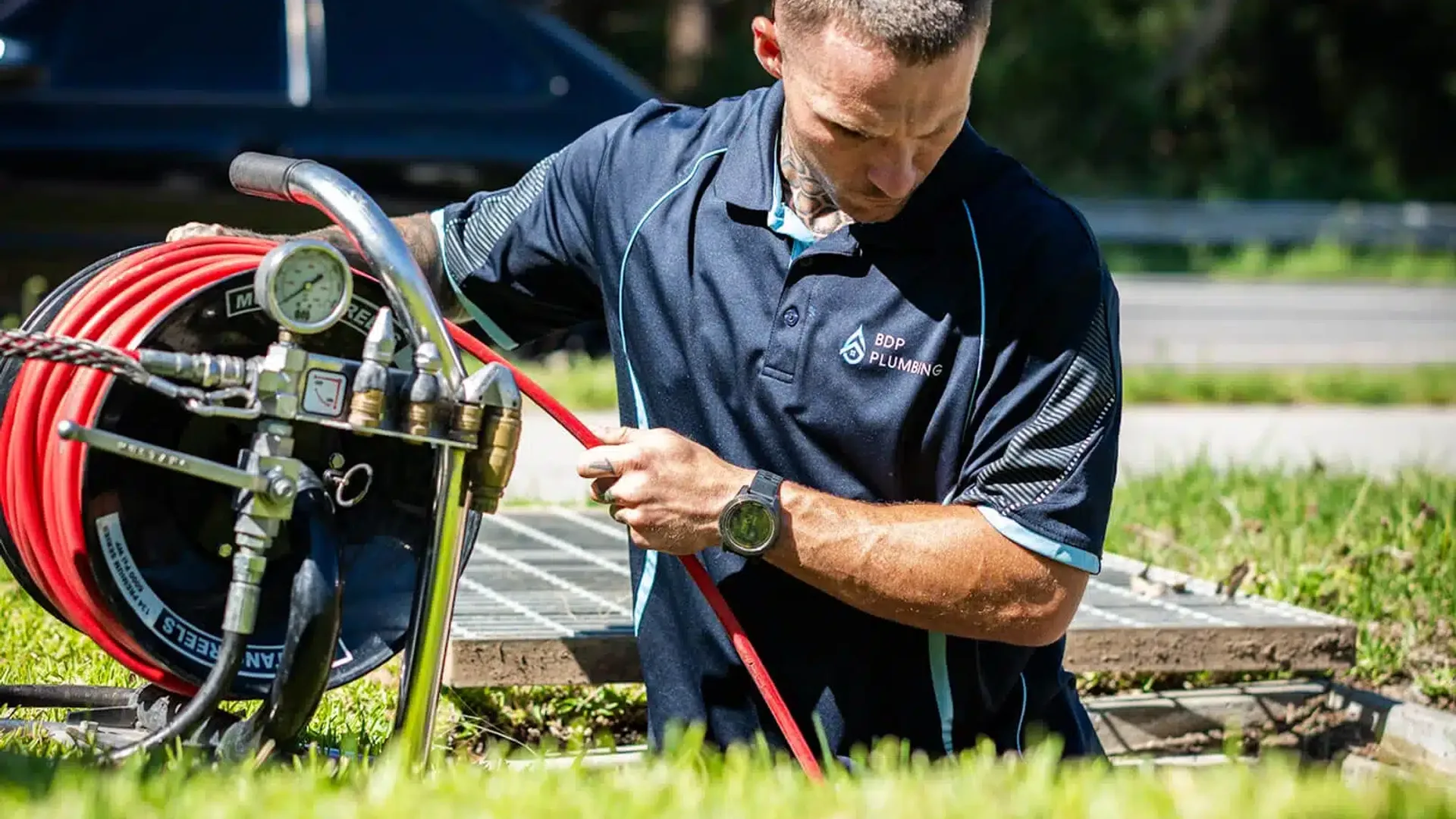
Plumbers in Fletcher and the suburbs around it
Book a leak trace
Call (02) 4063 3422 and tell us what's happening. $0 call out across Fletcher, a clear quote before any work starts, and a job that gets made right if it isn't right the first time.